

Serafini Production is releasing one game after another these days. Low and Don't Watch tell stories whose endings reveal the backstory to the other announced installments, with Don't Watch focusing on another phenomenon in Japanese society.
Social criticism as a game

In Broken Lore Don't Watch, we accompany a young man who falls into the socially critical phenomenon of hikikomori, a development in which young people isolate themselves socially and do not represent a noticeable part of society. The reasons for this are manifold, but often go hand in hand with social pressures such as success, wealth, honor, and social status.
Less is more
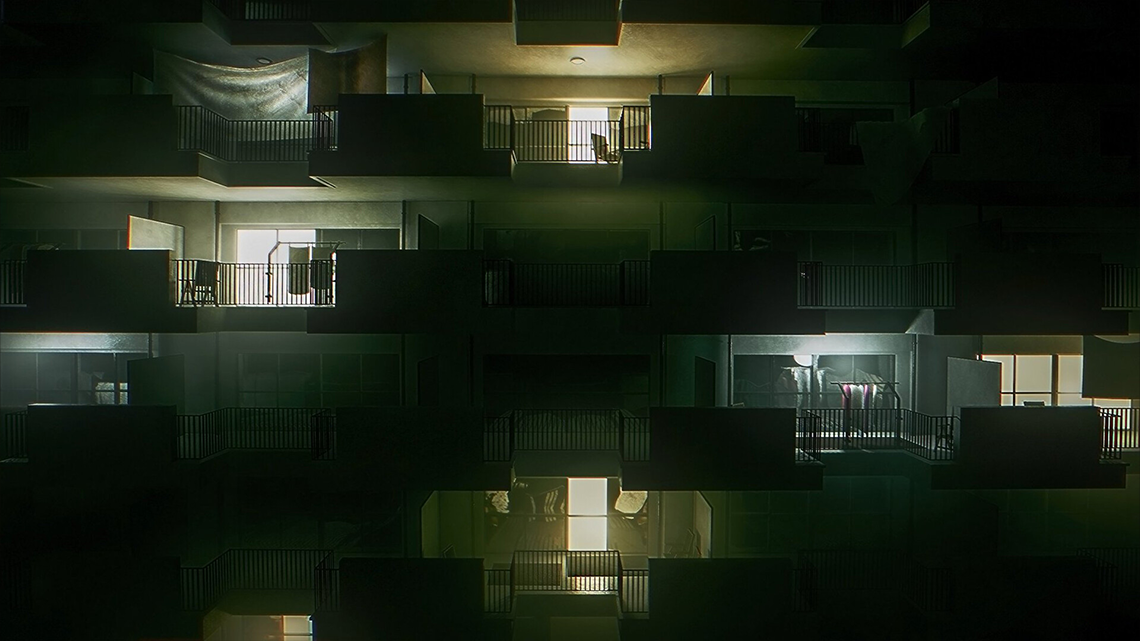
As in its predecessor Low, the game focuses on minimalism. The emphasis is on atmosphere, individual narrative elements, and above all, what is not said or shown. Once again, Serafini Productions has succeeded in creating an oppressive and uncomfortable setting that guides you in the right direction while giving you enough time to process everything you have experienced.
Meta level and pixel look
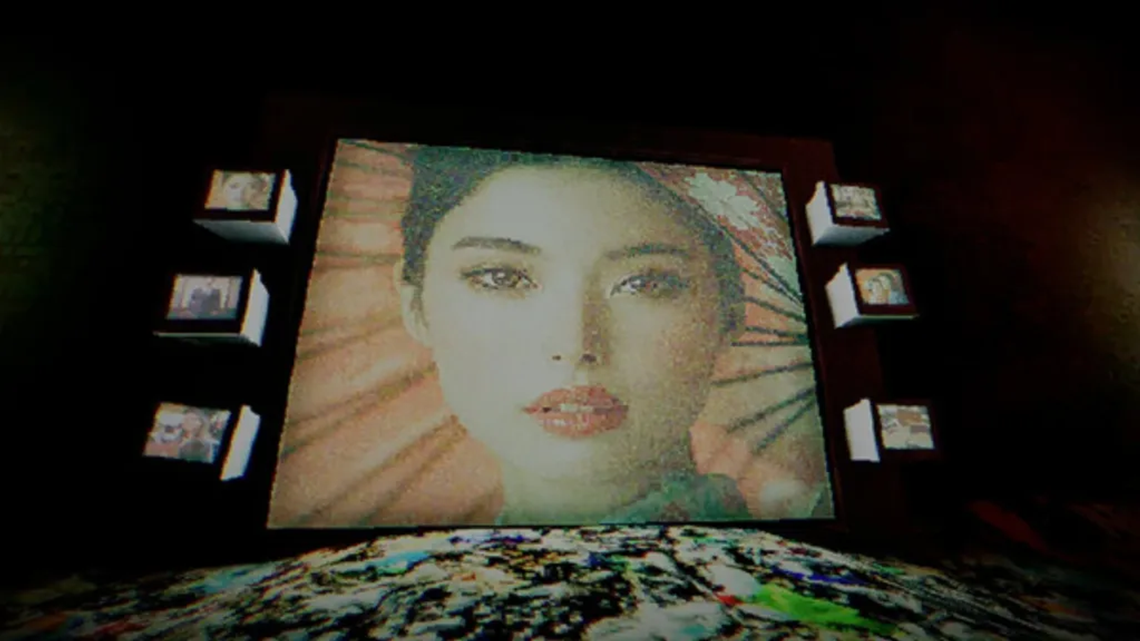
As is often the case, the pixel-look mini-games are a fundamental component, providing further insight into what is not directly stated in the story itself. Visually, this creates a clear boundary between what is and what could be, or what was.
Everything new — or not?
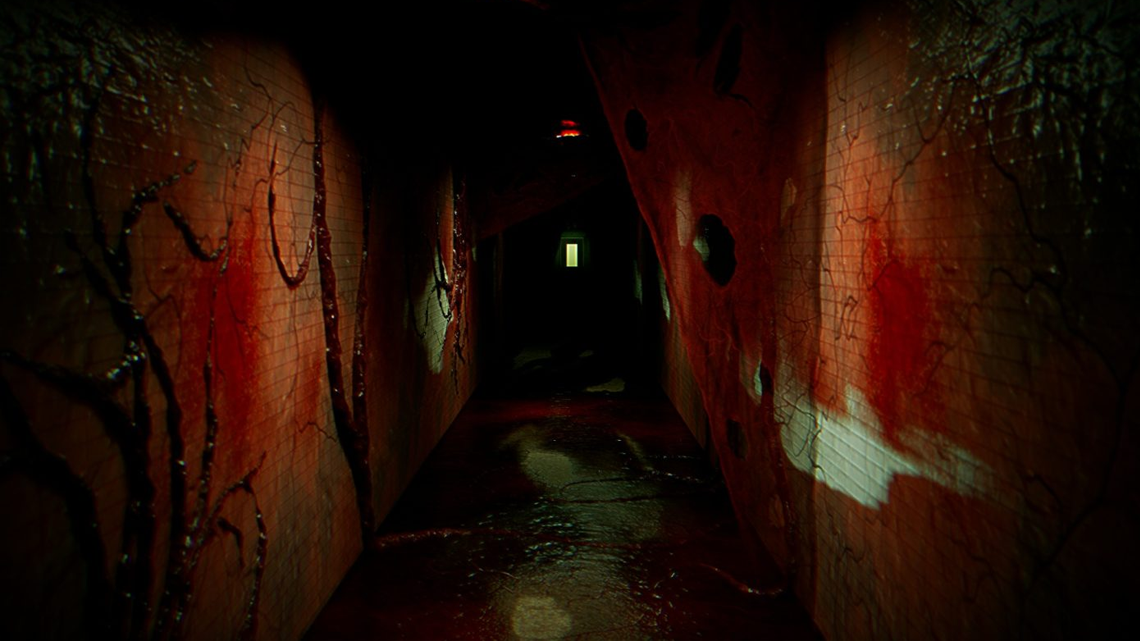
The game series is definitely on the right track to establishing its own genre with its own characteristics. This installment also features hidden endings that reveal the connection between all the games in the Broken Lore universe, so it's definitely worth playing through multiple times. One major criticism of the games is the playing time, which, as before, is around two to three hours. Easy to play, easy to consume, but long-lasting enjoyment – that's how Broken Lore Don't Watch can be summed up for those who are looking for games that stimulate thought and don't focus on action and fear.
You must be logged in to comment.
Comments
No comments yet. Be the first to comment!