 smashthebunny
DEEN
smashthebunny
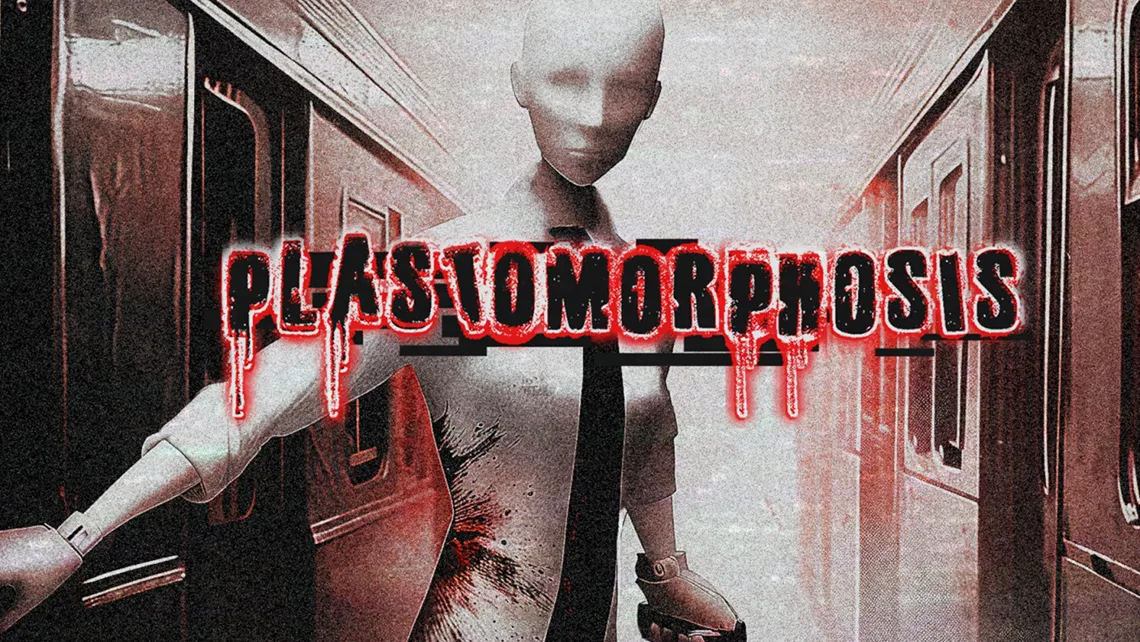
Plastomorphosis is an indie retro horror game in the style of Silent Hill and Resident Evil. In this review, you'll find out how good the gameplay is, how long the game takes to complete, and whether it's worth buying. What is Plastomorphosis? Do you miss old-school retro horror games in the style of Silent Hill, Parasite Eve, and Resident Evil, with their unique aesthetic, fixed camera angles, and pixelated charm? Then you should definitely give Plastomorphosis a try. This indie game is a tribute and a declaration of love to the long-gone era of CRT video game graphics, combining them with modern methods of clue-giving. The result is a successful symbiosis of nostalgic retro charm and contemporary quest guidance. Does it work? It does. Story and Atmosphere: The Biggest Strength The story is—as is typical of the genre—highly fragmented and confusing. Yet it is precisely these fragments and clues that provide plenty of affectionate, almost heartwarming references to Silent Hill, Parasite Eve, Clock Tower, as well as literary works such as Brave New World and 1984. Elements such as cameras and eyes, symbolizing constant surveillance, appear just as frequently as phone calls; distorted fragments of logs detailing the events, as well as subtle clues from the fleeing population, can be found in many places. The atmosphere is consistently unsettling and strongly evokes psychological horror rather than jump scares. The gameplay is classic and intentionally clunky Overall, the difficulty level ranges from medium to low. This is partly due to the control options: You can choose between classic, somewhat “tanky” retro-style controls and more modern control schemes. The main difference is that modern controls allow you to move, turn, and shoot simultaneously, whereas in classic control mode, these actions are performed sequentially. While gamepads aren’t officially supported, they still work without any issues. As in many older games of this genre, there are fixed camera angles here as well, which deliberately prioritize exploration over action. If the puzzles ever get too tricky, there’s also a helpful option: important items can be highlighted on the map. For me, this was actually a real lifesaver when it came to finding my way around—it even marked an exit for me. This is definitely an accessibility feature I’d love to see in other games. However, if you just can't get used to old-school game designs and find them unfamiliar and clunky, you might find Plastomorphosis frustrating. The focus here is clearly on the nostalgia factor. How long does plastomorphosis last? The combat system is—fortunately—very fluid and intuitive. The targeting system for enemies is precise and leaves little room for frustration (I say this while simultaneously playing Silent Hill 2 and therefore have a direct comparison to contemporary controls). Depending on how much you explore and how quickly you get through the game, the playtime ranges from 2 to 3 hours. This makes Plastomorphiosis a short but intense gaming experience with plenty of replay value. Conclusion If you’re feeling a bit nostalgic and looking for an affordable, entertaining, and lovingly crafted tribute to the classic horror genre, then Plastomorphosis is the perfect game for you. Its atmosphere and style are very reminiscent of retro horror games like Resident Evil or Silent Hill, and it definitely focuses more on atmosphere than on action. For horror fans who are looking for a more pure action experience and aren’t into experimental indie games, Plastomorphosis is not really recommended. Pro a powerful, intense atmosphere interesting retro style Relaxed gameplay, no stress Cons clunky, deliberately retro controls fixed camera angles short season not very narrative in its storytelling
 Sign in with Twitch