 smashthebunny
DEEN
smashthebunny
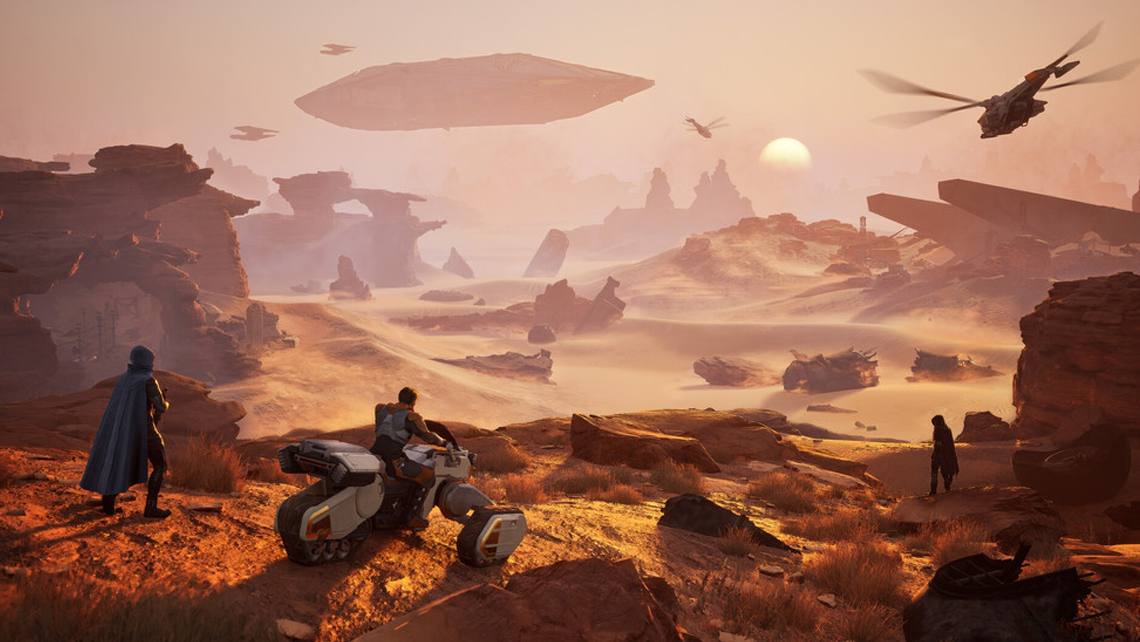
It's finally happening: Dune Awakening is coming to consoles at last, and its latest update brings a big DLC pack along with it, so PC players get their money's worth too. However, getting started in Dune Awakening can be truly brutal. The planet Arrakis is hot, water and other resources are terribly scarce, and sandworms are lurking everywhere, waiting to turn you into worm food.That's why this very simplified Dune Awakening starter guide gives you the most important tips to make your start in Dune Awakening much easier, shows you where to build a good starting base, and how to survive sandstorms and sandworms. You won't find any spoilers here. We don't want to give away what comes when, or what might come.Whether you've just arrived on Arrakis or are returning with the new update and the console release: with these little basics, the start is a whole lot easier.Every beginning is hardRight at the start, you'll encounter two dangers that can cost you your life straight away: sandstorms and sandworms. Both appear very quickly, and if you don't get to safety in time, there's no escape.SandstormImageStatusDescriptionUnshelteredThe normal status when you're moving freely through the world. Here, the sandstorm can reach you at any time.EnclosedIn this state, you're still outside, but the sandstorm can't actively reach you, and you should survive it unharmed. Vehicles are safe here too. This status can sometimes be reached in small rock crevices when seeking shelter.ShelteredIn this state, you are protected, but vehicles are still at the mercy of the sandstorm. This status is often reached in hideouts or small buildings. Small rock ledges can also trigger this status.Water-sealedNot relevant for the start of the game, but only once you've built a base. In a water-sealed shelter, both you and your vehicles are safe.SandwormWhenever you walk across open sand that isn't close to rock formations, a sandworm can appear. They are enormous and attack as soon as the vibration in the sand increases, or as soon as you approach a spice vein. These can be recognised by their purple haze. An imminent worm attack can be spotted via the vibration indicator at the bottom centre of the screen. The closer the worm is, the more sensitively it reacts to vibrations. Running or moving vehicles amplify the vibrations considerably.ImageStatusDescriptionNo vibration indicatorThe worm is not nearby and doesn't react to vibrations.Yellow-golden vibration indicatorThe worm is nearby and reacts to movement. Keep an eye on the indicator and the map so you can seek shelter if necessary.Red vibration indicatorThe worm is close and an attack is likely very soon. It's time to get to safety.Where do I go?Right at the start of Dune Awakening, you'll be dropped in the middle of the desert - more precisely, in the southern Hagga Basin. This is the starting area for all travellers. This is where the tutorial and the game's first introduction begin, and with them the question: where do I actually need to go? If you can't get your bearings at all at the beginning of Dune Awakening and have no fun setting up a little spot here and there before moving on to the next, you can play it safe with this point on the map. We've marked the red dot for you, which is the safest place to farm, explore, and get to know the game early on. It's located at the foot of the first outpost and is relatively easy to reach if you move from rock formation to rock formation.There are no coordinates in Dune Awakening, but you can tell fairly well where you are on the map by the outlines of the rocks.Your first little homeThe new DLCs offer plenty of protection to escape the first sandstorms, but a small 4x4 or 6x6 hut will do just fine for starters - and you'll need one. Whether you want to store the items from your raids or quickly seek reliable shelter from a sandstorm: a shelter is a must. The tutorial for it appears at the start, right after a few exploration missions and the first small crafting quests.So first build a functional roof over your head before you start building pretty.Drink, drink, drinkWater is one of the most important resources on Arrakis. Ignoring the water gauge can lead to death faster than sandstorms and sandworms combined.All over Arrakis, there are small patches of flowers that contain dew. Before you can build the first devices that collect water, these are your most important go-to source for the first few hours in the game. However, your water supply can only be filled up to the first marker if you drink the dew from the plants directly. That's why it's so important to remember where the most quickly accessible plants around your own base are.
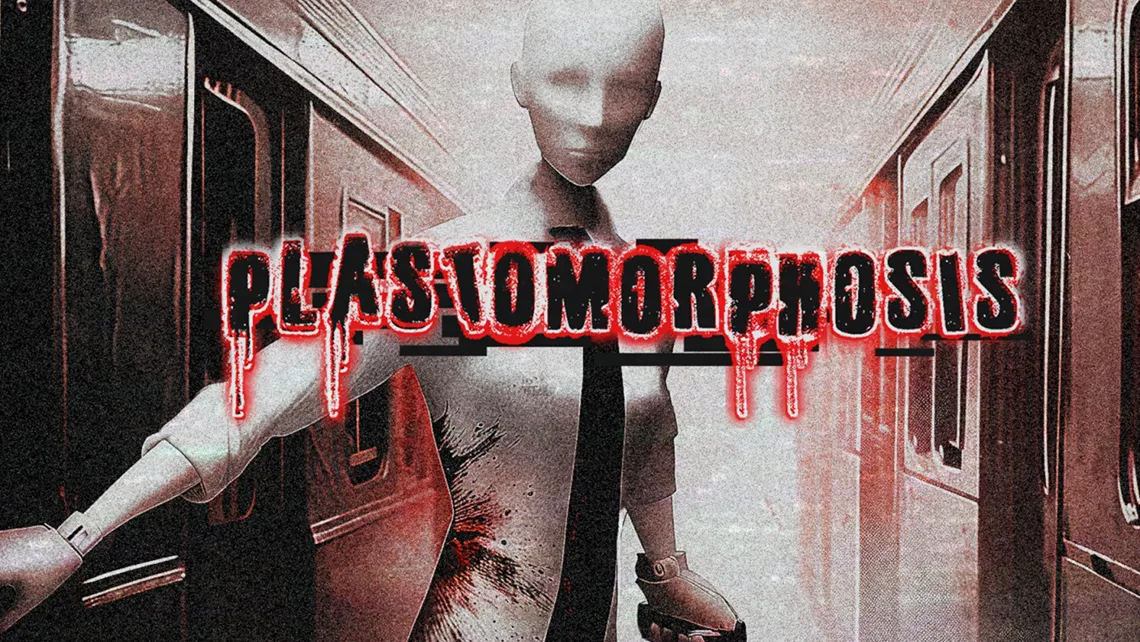
Plastomorphosis is an indie retro horror game in the style of Silent Hill and Resident Evil. In this review, you'll find out how good the gameplay is, how long the game takes to complete, and whether it's worth buying. What is Plastomorphosis? Do you miss old-school retro horror games in the style of Silent Hill, Parasite Eve, and Resident Evil, with their unique aesthetic, fixed camera angles, and pixelated charm? Then you should definitely give Plastomorphosis a try. This indie game is a tribute and a declaration of love to the long-gone era of CRT video game graphics, combining them with modern methods of clue-giving. The result is a successful symbiosis of nostalgic retro charm and contemporary quest guidance. Does it work? It does. Story and Atmosphere: The Biggest Strength The story is—as is typical of the genre—highly fragmented and confusing. Yet it is precisely these fragments and clues that provide plenty of affectionate, almost heartwarming references to Silent Hill, Parasite Eve, Clock Tower, as well as literary works such as Brave New World and 1984. Elements such as cameras and eyes, symbolizing constant surveillance, appear just as frequently as phone calls; distorted fragments of logs detailing the events, as well as subtle clues from the fleeing population, can be found in many places. The atmosphere is consistently unsettling and strongly evokes psychological horror rather than jump scares. The gameplay is classic and intentionally clunky Overall, the difficulty level ranges from medium to low. This is partly due to the control options: You can choose between classic, somewhat “tanky” retro-style controls and more modern control schemes. The main difference is that modern controls allow you to move, turn, and shoot simultaneously, whereas in classic control mode, these actions are performed sequentially. While gamepads aren’t officially supported, they still work without any issues. As in many older games of this genre, there are fixed camera angles here as well, which deliberately prioritize exploration over action. If the puzzles ever get too tricky, there’s also a helpful option: important items can be highlighted on the map. For me, this was actually a real lifesaver when it came to finding my way around—it even marked an exit for me. This is definitely an accessibility feature I’d love to see in other games. However, if you just can't get used to old-school game designs and find them unfamiliar and clunky, you might find Plastomorphosis frustrating. The focus here is clearly on the nostalgia factor. How long does plastomorphosis last? The combat system is—fortunately—very fluid and intuitive. The targeting system for enemies is precise and leaves little room for frustration (I say this while simultaneously playing Silent Hill 2 and therefore have a direct comparison to contemporary controls). Depending on how much you explore and how quickly you get through the game, the playtime ranges from 2 to 3 hours. This makes Plastomorphiosis a short but intense gaming experience with plenty of replay value. Conclusion If you’re feeling a bit nostalgic and looking for an affordable, entertaining, and lovingly crafted tribute to the classic horror genre, then Plastomorphosis is the perfect game for you. Its atmosphere and style are very reminiscent of retro horror games like Resident Evil or Silent Hill, and it definitely focuses more on atmosphere than on action. For horror fans who are looking for a more pure action experience and aren’t into experimental indie games, Plastomorphosis is not really recommended. Pro a powerful, intense atmosphere interesting retro style Relaxed gameplay, no stress Cons clunky, deliberately retro controls fixed camera angles short season not very narrative in its storytelling
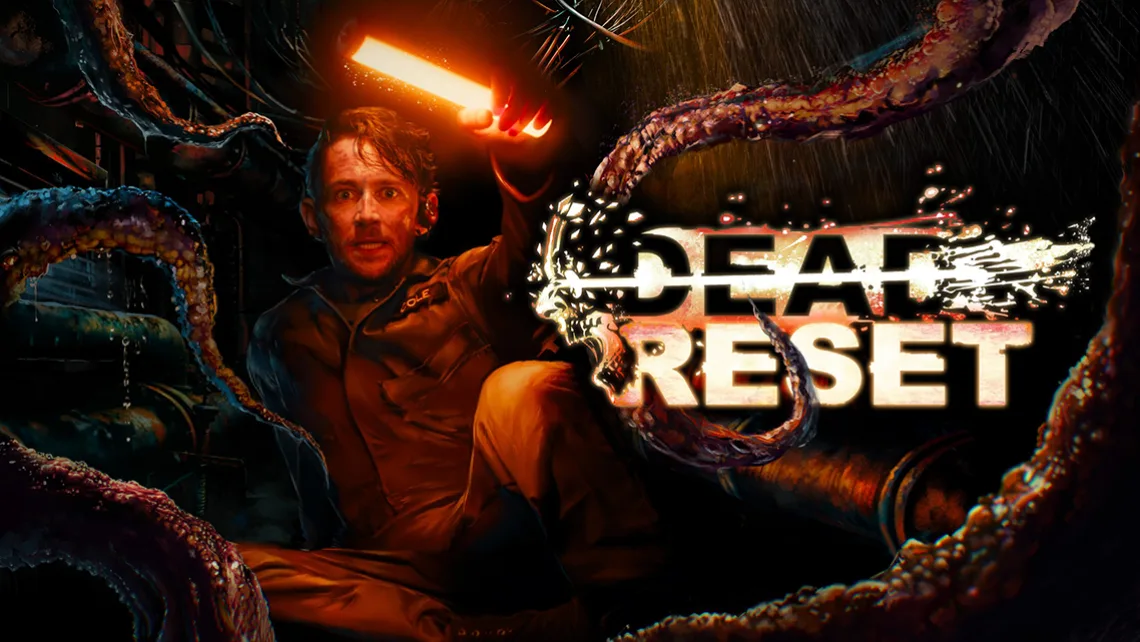
Wales Interactive are best known for their FMV games – and are now venturing into a new genre: science fiction survival horror. In Dead Reset, we take on the role of Cole, a surgeon with amnesia who wakes up in an operating room and is immediately asked to perform surgery. Groundhog Day After the first interaction with the patient, it becomes clear that something is very wrong here. No one wants to explain to Cole what is actually going on, where we are, or what exactly is to be operated on. Yet everything feels strangely familiar. What happened here? Wales Interactive tackles one of the most difficult story formats imaginable here—and masters the challenge remarkably well. The story unfolds piece by piece, linking different narrative strands and rewarding players who play through the game multiple times. If you want to find out more about the story, you have to play more often—and that's exactly what works so well this time around. Immersive survival training As is typical for Wales Interactive, the motto here is: choose your destiny and make wise decisions. Every decision has consequences—and these cannot be undone. Who can you trust? Which actions are morally justifiable? Despite fewer rooms and scene changes, the game manages to build constant pressure and palpable tension. Particularly noteworthy this time around is the work of the makeup and SFX artists, who have done a truly impressive job. Without giving too much away, gore fans will definitely get their money's worth here. Who can you still trust here? Although the possible endings are somewhat limited in comparison, the options during the game are all the more diverse. In hardly any other FMV title did you get such a strong feeling of experiencing completely different game content—depending on decisions or which supporting characters you work with. A new standard Dead Reset sets new standards for Wales Interactive. A dense atmosphere, compelling characters, and suspense that lasts until the very end. You have to like the FMV genre—but if you do, Dead Reset is definitely a good choice.
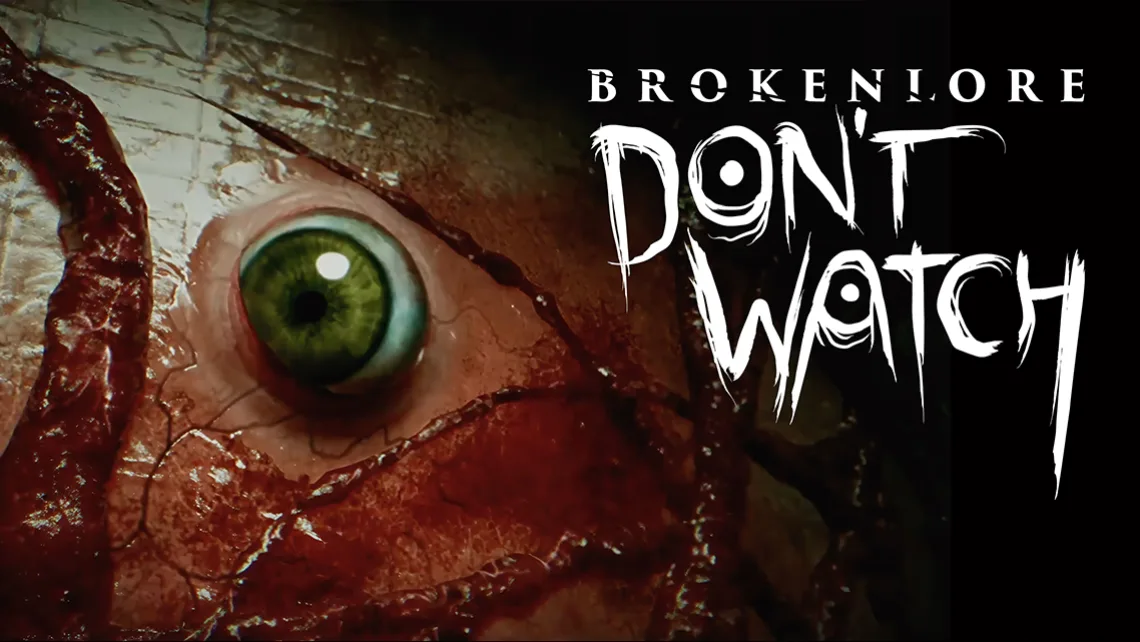
Serafini Production is releasing one game after another these days. Low and Don't Watch tell stories whose endings reveal the backstory to the other announced installments, with Don't Watch focusing on another phenomenon in Japanese society. Social criticism as a game In Broken Lore Don't Watch, we accompany a young man who falls into the socially critical phenomenon of hikikomori, a development in which young people isolate themselves socially and do not represent a noticeable part of society. The reasons for this are manifold, but often go hand in hand with social pressures such as success, wealth, honor, and social status. Less is more As in its predecessor Low, the game focuses on minimalism. The emphasis is on atmosphere, individual narrative elements, and above all, what is not said or shown. Once again, Serafini Productions has succeeded in creating an oppressive and uncomfortable setting that guides you in the right direction while giving you enough time to process everything you have experienced. Meta level and pixel look As is often the case, the pixel-look mini-games are a fundamental component, providing further insight into what is not directly stated in the story itself. Visually, this creates a clear boundary between what is and what could be, or what was. Everything new — or not? The game series is definitely on the right track to establishing its own genre with its own characteristics. This installment also features hidden endings that reveal the connection between all the games in the Broken Lore universe, so it's definitely worth playing through multiple times. One major criticism of the games is the playing time, which, as before, is around two to three hours. Easy to play, easy to consume, but long-lasting enjoyment – that's how Broken Lore Don't Watch can be summed up for those who are looking for games that stimulate thought and don't focus on action and fear.
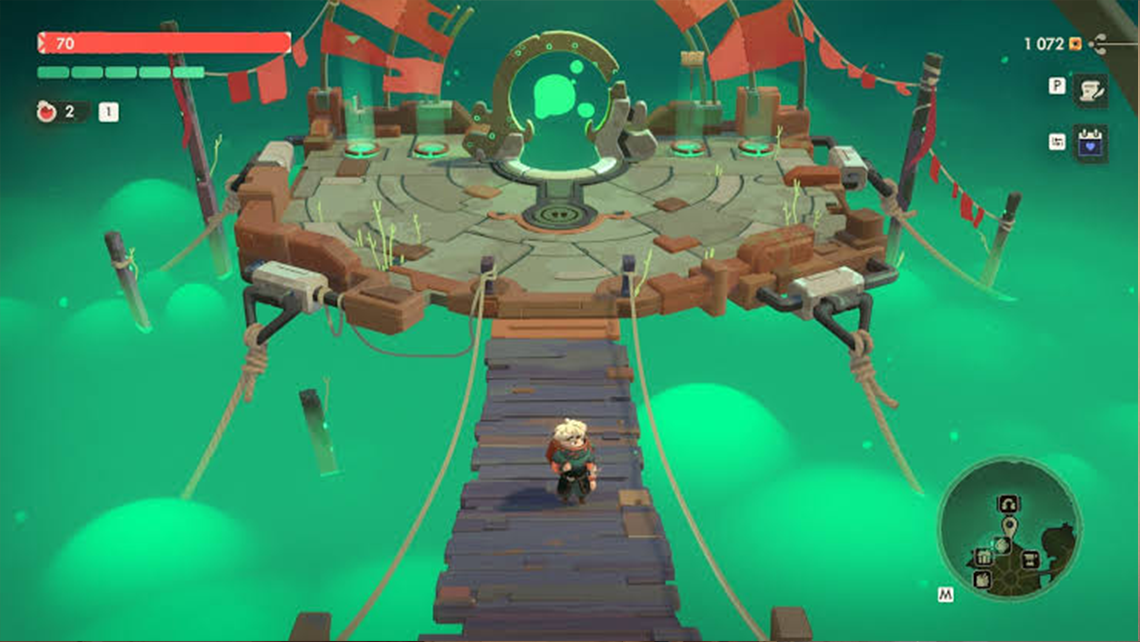
Moonlighter 2 has finally arrived in Early Access. Just like its predecessor, the second entry in the series revolves around exploring dungeons, gathering resources and items, and selling them to develop both your character and your own shop. The Basic Gameplay Loop So how does Moonlighter actually work? The key thing to understand is that virtually every move in Moonlighter follows a cycle that keeps repeating: Dungeon → Loot → Shop → Money → Upgrades → and back to the start Greed and Economy Of course, there's one small hurdle in the gameplay that makes the experience a little harder or a little slower: the limited inventory. We all know the feeling — you spot something small and shiny at the edge of the screen, and it simply has to be looted. In Moonlighter, though, you should think twice: do I actually need this item? Can I sell it at a decent profit? Which Upgrades Are Worth It First? When it comes to general playstyle and your choice of weapons, it always depends on personal preference. Still, a few things can be said in general terms to make the experience more fun and more rewarding early on. Survivability Inventory and shop improvements Weapons Those would be the first three categories I'd invest in. With weapons in particular I'd be careful at the start, since they play quite differently from the first game — and above all, the bow no longer counts as the all-rounder weapon it was in the predecessor. An Easy Start For a good start, it helps to spread the experience across your first few expeditions and only then start playing with a clear purpose. Use your first run to explore the dungeons, get to know the enemies, study their patterns, and collect resources. After that, start being more selective about your loot instead of picking up everything that drops. This is where you'll quickly turn your first profits in the shop. Then you'll be ready to improve your own gear, which leads to better loot, which in turn lets you expand your shop faster. And that's how you build your own little cycle that mirrors the game's cycle.
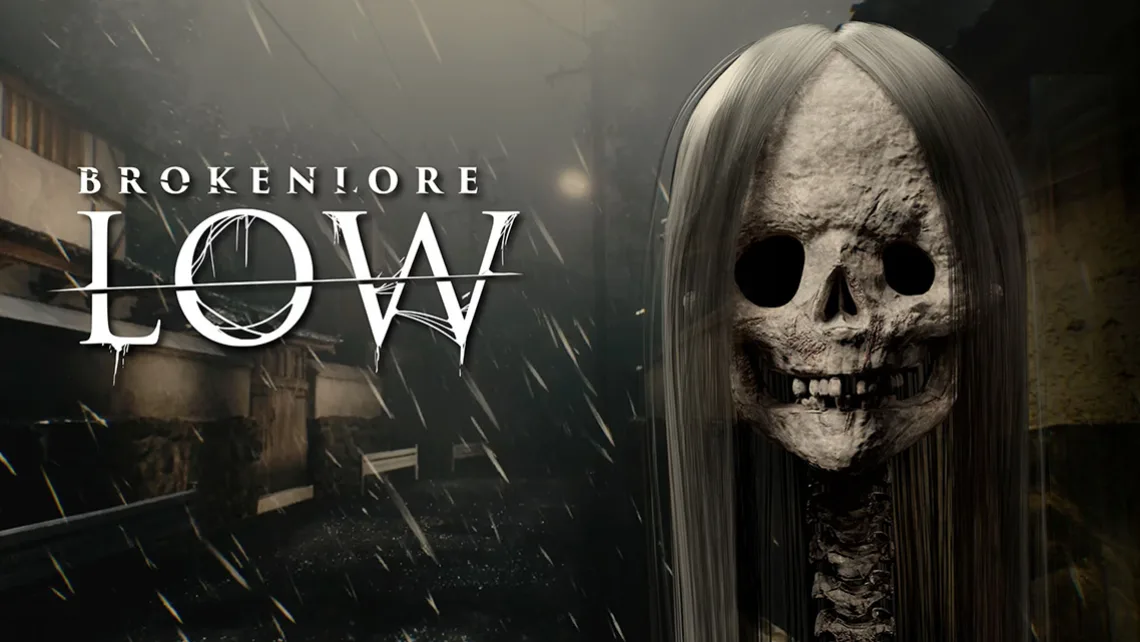
The games developed by Serafini Productions have been a mystery for years. Confusion with studios that were constantly embroiled in scandals and repeatedly delayed release dates did not bode well for the launch of the Broken Lore series, which tells a core story with small, short stories marked by self-discovery and guilt. A twisted story Broken Lore Low takes us to the small town of Kirisame Mura, where aspiring singer Naomi is trying her luck in the music industry. She is accompanied by her boyfriend, the music producer, and, of course, the competition she has to beat. But it quickly becomes clear that something is not right here. Less is more The game focuses less on jump scares and animations, and much more on telling the story and providing background information through lighting, atmosphere, and tone. Although the content seems very minimalistic, with only two to three hours of gameplay, the game (and its sequels) manages to convey a lot while showing very little. Most of the story is told through what is not shown or visualized. Very coherent in itself At first glance, the scenes and graphic changes are very confusing, but nevertheless very coherent. This is evident, for example, in the rough pixel retro graphics. These elements tell of leaps in time, backgrounds, and further lore that fundamentally differ from the basic game. What is unexpected is that mini-games can be skipped to avoid frustration and focus on the story. Rebuild the wheel When searching for new horror games, it's difficult to find something new that captivates you. However, Serafini Productions presents a different, simple concept that offers low barriers to entry but has a lasting impact. Easy to play, easy to consume, but with long-lasting appeal—that's how Broken Lore Low can be summed up for those who are looking for games that stimulate thought and don't focus on action and fear.
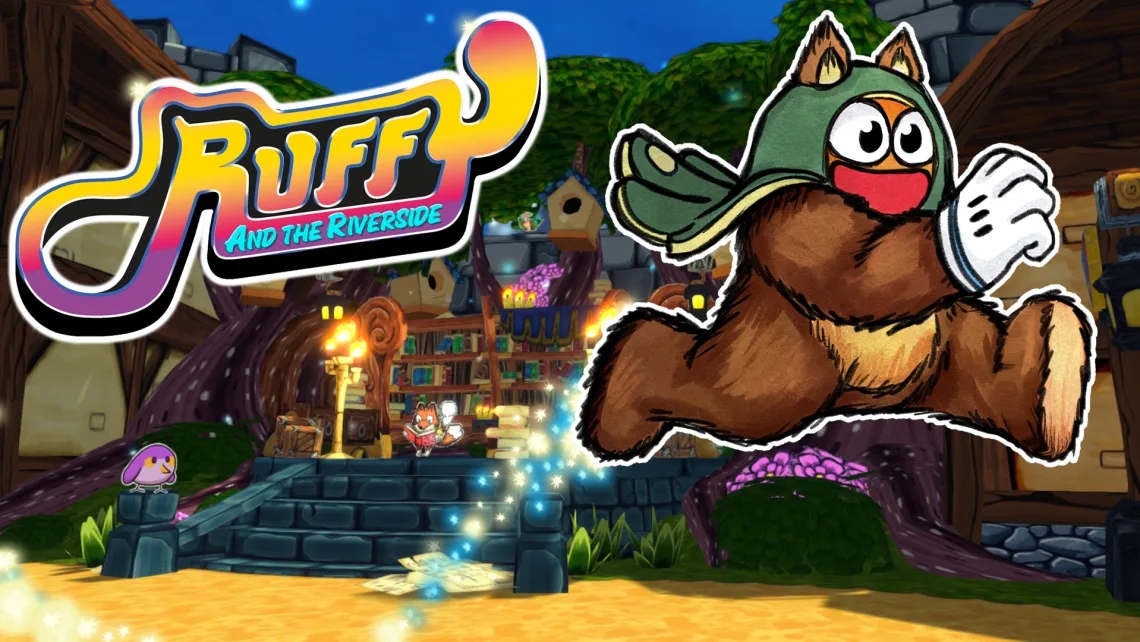
Hand-drawn 2.5-D platformers are now a dime a dozen. However, it is more difficult to find real gems among those that remind you a little of Paper Mario. Ruffy and the Riverside is different. And very different. Very different. The game revolves around Ruffy - we don't know what exactly Ruffy is, but he is referred to as a bear several times in the game - who has completed his training as a painter. Or more precisely: He flips. He flips pictures. This means that Ruffy takes the contents of a picture with a magical movement and flips them onto the target. And enchants the target into exactly what he has captured. Riddles, Puzzles, Action And this also explains the game concept of Ruffy and the Riverside. Transferring one object from one material or content to another opens up completely new possibilities for creating puzzles and riddles, and these are great fun in Ruffy and the Riverside. A full, vibrant world, somewhat reminiscent of the Nintendo 64's Banjo and Kazooie, invites you to start a new experience at every turn. Is that not too much? With a huge, colorful map with lots of events, sub-levels and puzzles, you could almost think it was all a bit too much. Personally, I always complain about empty, loveless worlds in which not even the grass is varied. This is definitely different in Ruffy and the Riverside. Despite my initial overload and the feeling of being overwhelmed, you find your way around the game extremely quickly and intuitively. Although the map is full, it is still clearly laid out and a few quest overviews and collection screens make it easy to keep track of everything. Just give it a try Although the game is an indie title, it's easy to forget that this is a small team when you look at this completely crazy mix of genres, and luckily the game has a demo so that you can get an idea of this very image-heavy game for yourself. Steam dies have a demo available now.
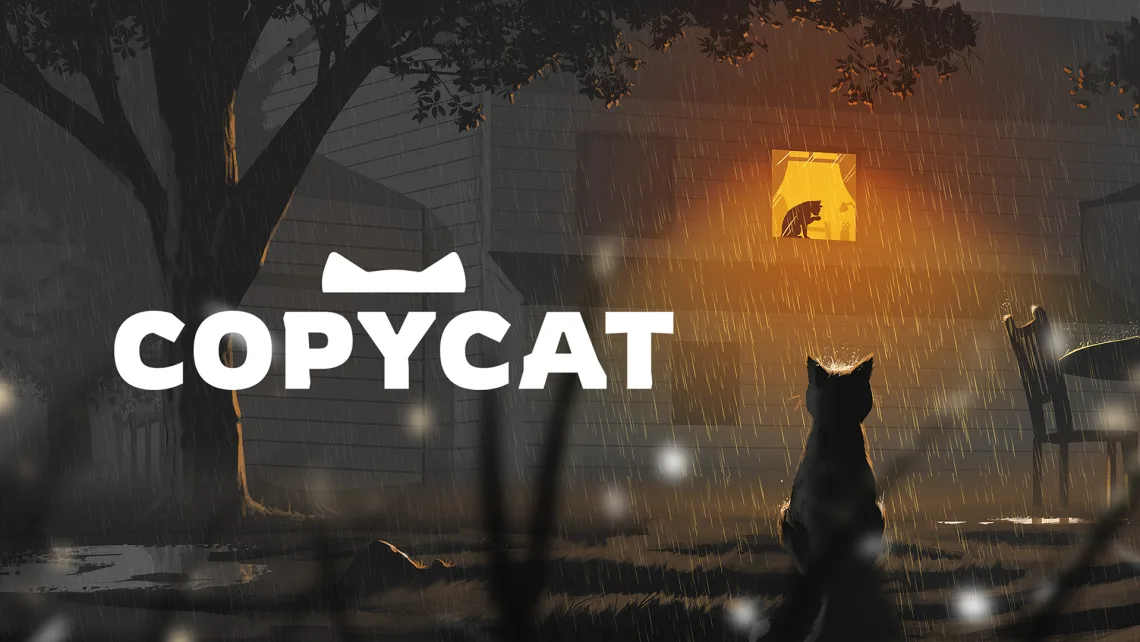
Copycat is a narrative-driven indie game developed by the Australian-Ukrainian duo, Spoonful of Wonder. Released on May 29, 2025, for PlayStation 5 and Xbox Series X|S, following its initial PC launch in September 2024, the game has garnered attention for its emotionally charged storytelling and exploration of themes like abandonment and grief. A Heartfelt Tale of Loss and Belonging In Copycat, players step into the paws of Dawn, a skeptical shelter cat adopted by Olive, an elderly woman mourning the loss of her previous pet. As their bond deepens, unforeseen events lead to Dawn being replaced by a stray lookalike, forcing her into the harsh realities of life on the streets. The narrative delves deep into the emotions of love, loneliness, and the quest for belonging, offering players a poignant experience that resonates long after the game concludes . Emphasis on Trigger Warnings It's crucial to note that Copycat addresses sensitive topics, including pet abandonment and grief. The game includes content warnings to prepare players for its emotional depth. As highlighted by Safe In Our World, the game is particularly impactful for those with close relationships to pets, and players are encouraged to approach it with mindfulness. Artistic Storytelling and Design The game's design masterfully captures the world from a cat's perspective. Through dream sequences, players experience Dawn's fantasies of being a wild feline, juxtaposed against her domestic reality. The use of color theory, camera angles, and a nature-documentary-style narrator enriches the storytelling, immersing players in Dawn's journey .
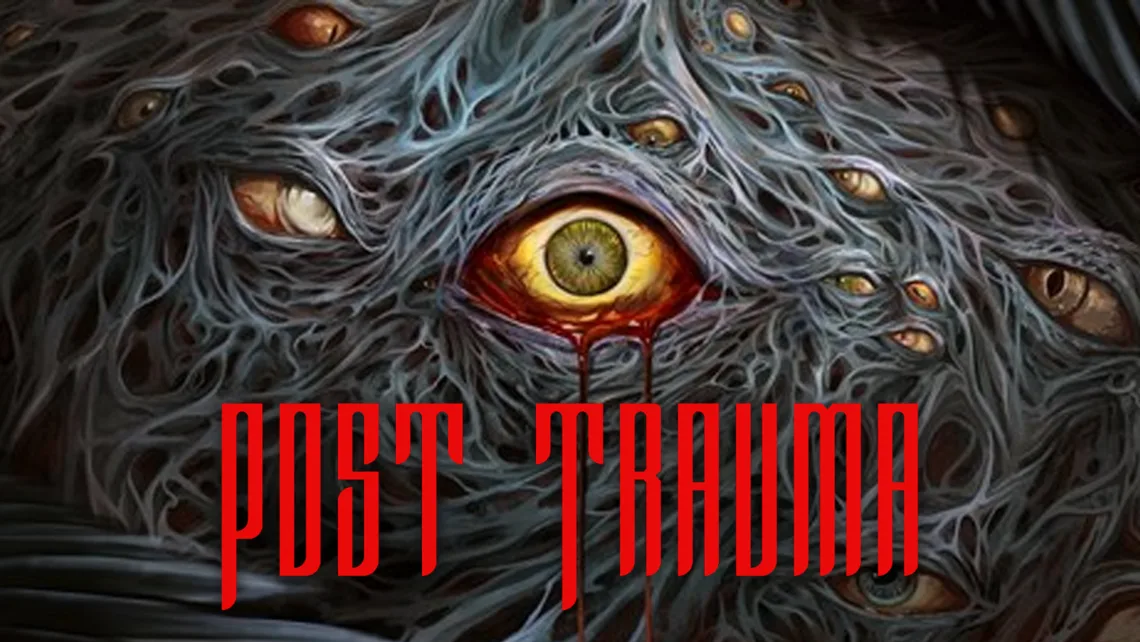
If you’re a fan of classic psychological horror games like Silent Hill or Resident Evil, Post Trauma by Red Soul Game is a hauntingly nostalgic trip that will feel both familiar and refreshingly new. In an era flooded with action-horror hybrids and open-world survival titles, Post Trauma takes a more focused and deliberate approach—emphasizing atmosphere, puzzles, and psychological dread over brute force or spectacle. A Glimpse Into the Darkness At the center of Post Trauma is Roman, a middle-aged train conductor who awakens in a disorienting and seemingly abandoned alternate reality. The game never dumps exposition on you—instead, it slowly feeds breadcrumbs about Roman’s past and mental state through scattered notes, surreal imagery, and subtle environmental storytelling. This narrative style is both understated and charming, encouraging players to piece together meaning rather than being handed a plot on a platter. Puzzles That Challenge, Not Frustrate One of the most satisfying aspects of Post Trauma is its puzzle design. The game doesn’t hold your hand, but it never feels unfair. Instead of giving in to modern trends of oversimplified gameplay, it leans into the old-school mentality of "look carefully, think creatively." You’ll find yourself cross-referencing clues in notes, examining your surroundings for hints, and even drawing diagrams to solve intricate mechanisms. But despite their difficulty, the puzzles are logical. Each solution makes sense in retrospect, which keeps the challenge grounded and rewarding. It’s the kind of cerebral engagement that fans of 90s horror titles will recognize—and newcomers will appreciate for its thoughtfulness. A Modern Take on a Retro Aesthetic What truly sets Post Trauma apart is its art direction. The game exudes the visual tone of late 90s horror classics, complete with fixed camera angles, grainy textures, and dim, flickering lighting. Yet it’s all rendered with modern fidelity—meaning it’s more homage than imitation. Environments feel detailed and alive, dripping with atmosphere and a lingering sense of dread. Every hallway, every blood-stained door, and every sound in the distance contributes to a world that feels suffocating, isolated, and utterly compelling. Even the character design and animations, with their slightly uncanny realism, play into the theme of unease without falling into parody. It’s a balancing act that Post Trauma handles with surprising elegance. A Love Letter to Horror, With New Stories to Tell What makes Post Trauma shine is not just its deep roots in horror gaming tradition, but how it uses those roots to grow something new. The game respects its inspirations but isn’t beholden to them. It dares to be slow, quiet, and eerie in a time when horror often means explosions and jump scares. And at the center is Roman—a character you come to care for not through cutscenes, but through fragments, clues, and quiet moments of vulnerability. If you’ve been yearning for a horror game that challenges your mind as much as your nerves, Post Trauma is more than worth stepping into. Just be sure to take notes… and don’t trust every mirror you see.
 Sign in with Twitch