 smashthebunny
DEEN
smashthebunny
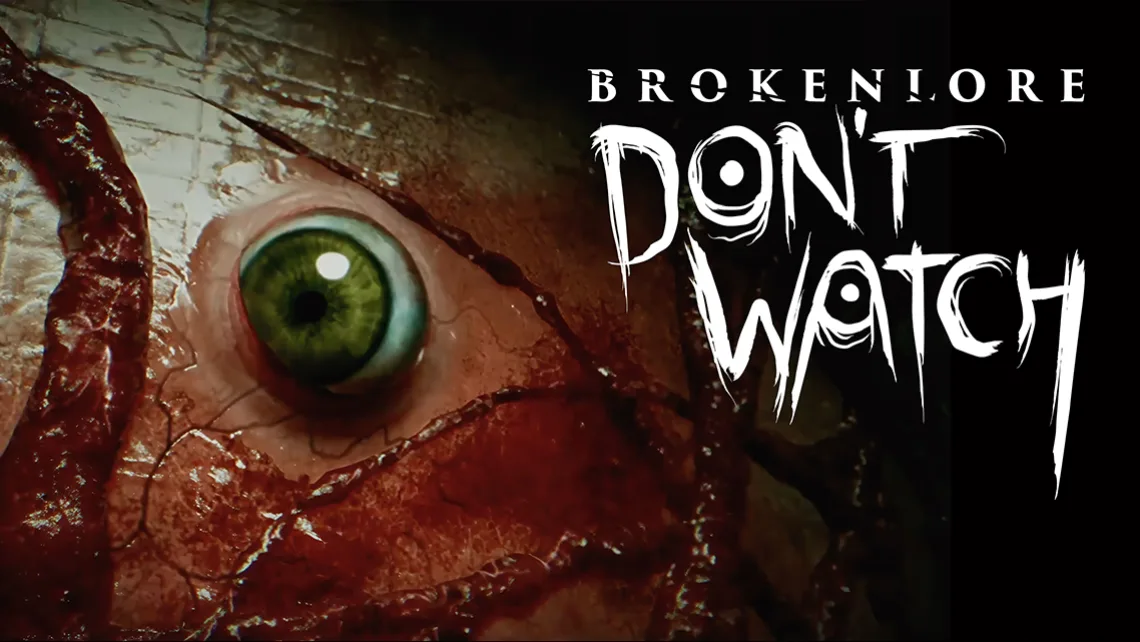
Serafini Production is releasing one game after another these days. Low and Don't Watch tell stories whose endings reveal the backstory to the other announced installments, with Don't Watch focusing on another phenomenon in Japanese society. Social criticism as a game In Broken Lore Don't Watch, we accompany a young man who falls into the socially critical phenomenon of hikikomori, a development in which young people isolate themselves socially and do not represent a noticeable part of society. The reasons for this are manifold, but often go hand in hand with social pressures such as success, wealth, honor, and social status. Less is more As in its predecessor Low, the game focuses on minimalism. The emphasis is on atmosphere, individual narrative elements, and above all, what is not said or shown. Once again, Serafini Productions has succeeded in creating an oppressive and uncomfortable setting that guides you in the right direction while giving you enough time to process everything you have experienced. Meta level and pixel look As is often the case, the pixel-look mini-games are a fundamental component, providing further insight into what is not directly stated in the story itself. Visually, this creates a clear boundary between what is and what could be, or what was. Everything new — or not? The game series is definitely on the right track to establishing its own genre with its own characteristics. This installment also features hidden endings that reveal the connection between all the games in the Broken Lore universe, so it's definitely worth playing through multiple times. One major criticism of the games is the playing time, which, as before, is around two to three hours. Easy to play, easy to consume, but long-lasting enjoyment – that's how Broken Lore Don't Watch can be summed up for those who are looking for games that stimulate thought and don't focus on action and fear.
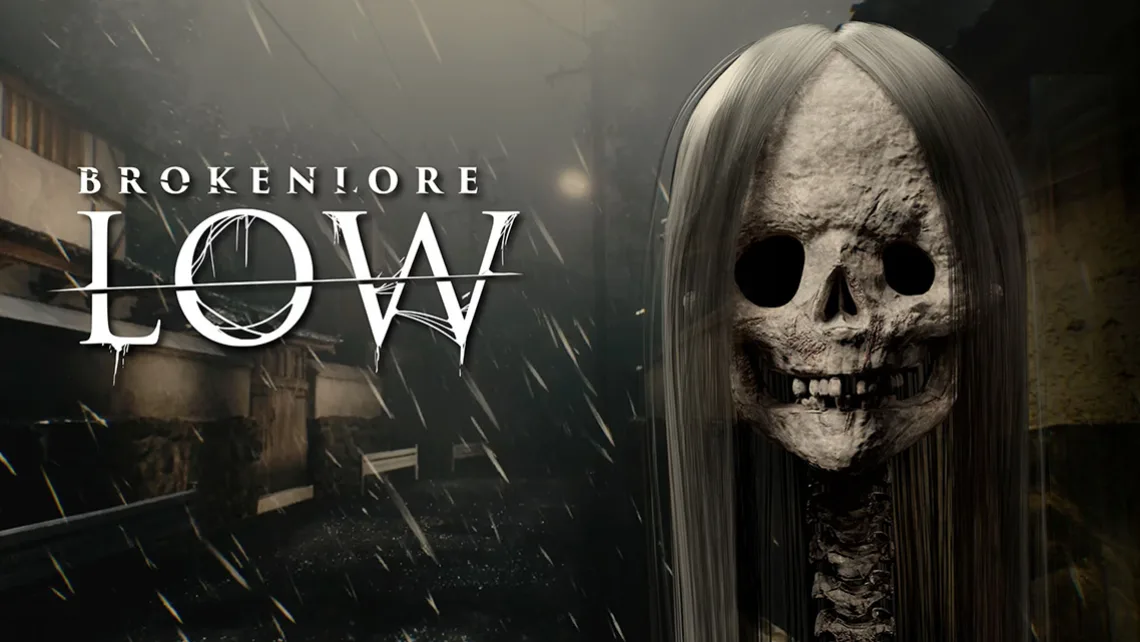
The games developed by Serafini Productions have been a mystery for years. Confusion with studios that were constantly embroiled in scandals and repeatedly delayed release dates did not bode well for the launch of the Broken Lore series, which tells a core story with small, short stories marked by self-discovery and guilt. A twisted story Broken Lore Low takes us to the small town of Kirisame Mura, where aspiring singer Naomi is trying her luck in the music industry. She is accompanied by her boyfriend, the music producer, and, of course, the competition she has to beat. But it quickly becomes clear that something is not right here. Less is more The game focuses less on jump scares and animations, and much more on telling the story and providing background information through lighting, atmosphere, and tone. Although the content seems very minimalistic, with only two to three hours of gameplay, the game (and its sequels) manages to convey a lot while showing very little. Most of the story is told through what is not shown or visualized. Very coherent in itself At first glance, the scenes and graphic changes are very confusing, but nevertheless very coherent. This is evident, for example, in the rough pixel retro graphics. These elements tell of leaps in time, backgrounds, and further lore that fundamentally differ from the basic game. What is unexpected is that mini-games can be skipped to avoid frustration and focus on the story. Rebuild the wheel When searching for new horror games, it's difficult to find something new that captivates you. However, Serafini Productions presents a different, simple concept that offers low barriers to entry but has a lasting impact. Easy to play, easy to consume, but with long-lasting appeal—that's how Broken Lore Low can be summed up for those who are looking for games that stimulate thought and don't focus on action and fear.
 Sign in with Twitch